

Sustainability in the construction industry is the design, construction and operation of construction projects in accordance with the principle of sustainability in environmental, social and economic aspects. In other words, sustainable construction is an approach that aims to reduce environmental impact by using less energy, water and materials and creating less waste in the construction of buildings compared to classical construction practices.
A sustainability approach in the construction industry aims to reduce the environmental impact of construction projects, protect natural resources, promote social participation and be economically efficient, while also improving the long-term sustainability of our environment.
Sustainability in the construction industry, starting from the planning stage; It shows its impact in many areas such as material selection, energy efficiency, water management, waste management, construction processes, building design and operation. Sustainability in the construction industry focuses on the following basic principles:
► Using sustainable building materials: Helps reduce the environmental impact of construction projects by saving energy, reducing pollution and conserving resources. It also contributes to creating a healthier environment by reducing the use of harmful chemicals and improving indoor air quality.
► Use of green construction methods: These methods, which are very important for sustainability in the construction industry, generally include the use of sustainable materials and construction techniques for energy efficiency.
► Use of construction technologies: It can contribute to building projects in a more sustainable way. Using technologies such as 3D printing and BIM software helps reduce waste, increase construction efficiency and save energy.
Perhaps the biggest challenge of green construction is replacing the resources used in the industry. Standard building materials are cheaper than sustainable or low-carbon alternatives and still build the same way. A long period of time is required for staff to use sustainable technology and gain skills in different construction methods.► Land Use
It should be adapted and built to have less negative environmental impact on the land. It should also choose more carefully the type of land on which it will build, from green belts to abandoned areas, and ensure that the land is used in a positive way, such as contributing to the building’s energy production.
► Water Use
Construction uses a significant amount of water in its processes, and much of it is wasted or not used as efficiently as it should be. If left uncontrolled, runoff or wastewater can escape and contaminate water supplies. Construction companies need to be trained on how to make better use of water once a building is operational. For example, rainwater can be harvested; It can be stored as a groundwater source for use in air conditioning and heating systems.
► Energy Consumption
Using renewable energy to generate energy for buildings may seem less and less like a new idea, but it still has a way to go before it becomes standard practice in the construction industry. Solar panels, ground source heat pumps, wind turbines, geothermal wells, water recycling – all these methods of heating and cooling buildings can make a big difference in a building’s operational carbon emissions.
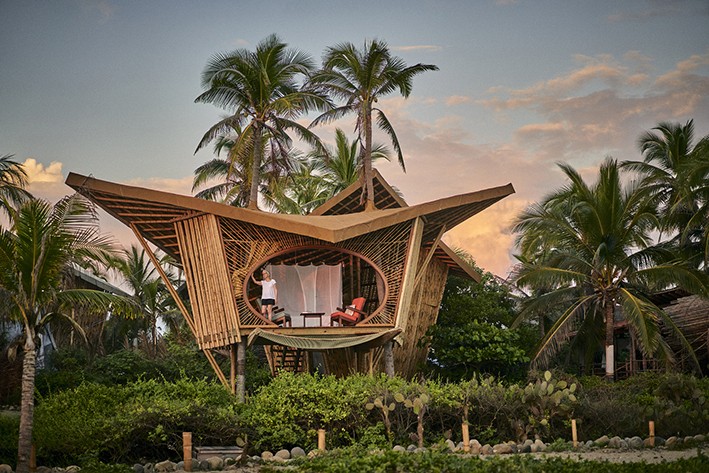
► It can be easily reprocessed and used in different industries.Wood and Bamboo
► It is obtained from natural and renewable resources.
► It supports sustainability as it has a high carbon storage potential.
Tile and Brick
► It is durable and provides thermal insulation.
► Reduces shipping cost if sourced locally
► It reduces carbon emissions.
Low VOC Paints and Coatings
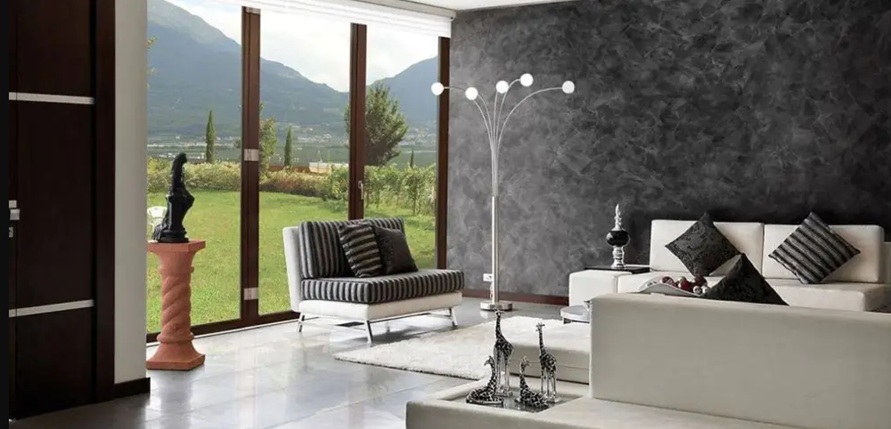
► It creates a healthy indoor environment.
► It does not pollute the air because it has low chemical emissions.
Insulation Materials
► Insulation materials obtained from natural fibers create less environmental impact compared to traditional synthetic products.
► Products such as cellulose insulation are produced from recycled paper, reducing the amount of waste paper.
A carbon neutral or zero energy building is a building that does not have a negative impact on the environment during its construction and operating life. If a net zero building produced carbon emissions, they were less than the amount of carbon the building removed from the atmosphere.
The Edge, Amsterdam, Netherlands
The Edge, Deloitte’s headquarters in Amsterdam, is one of the smartest and most connected buildings in the world and the most sustainable zero-energy building.
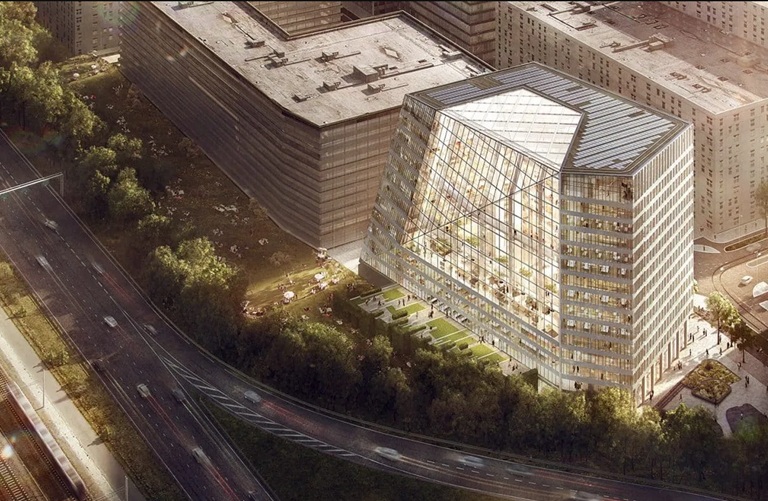
The Edge received a score of 98.4% from BREEAM, the UK’s environmental accreditation methodology, making it the highest-rated zero-energy building ever. Solar panels on the south side of the building provide more energy than the building consumes, and the Edge is heated by groundwater sources that heat or cool the building depending on the season.
Passive House Residences, York
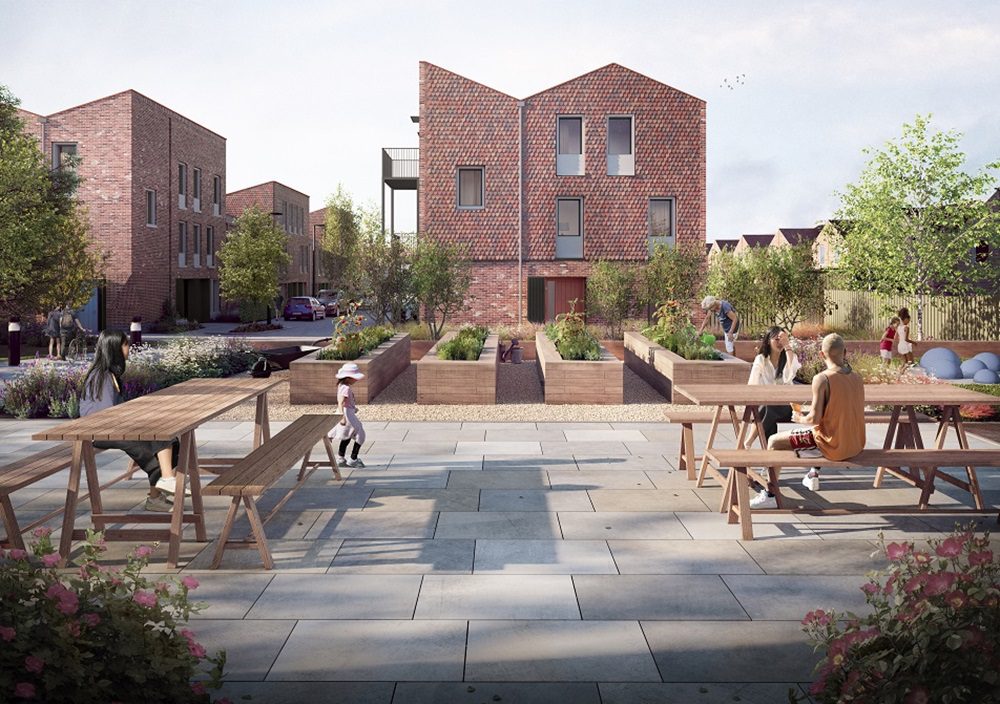
Passivhaus is a housing standard based on the principle of energy efficiency and reducing the ecological footprint of a building. Passivhaus buildings are designed to keep heat loss to a minimum and meet their energy needs with a combination of high levels of insulation, airtight building materials and passive heat sources. Council housing schemes developed in York achieve Passivhaus certification using air source heat pumps and solar photovoltaic panels.
Unisphere, Maryland, USA
United Therapeutics is at the forefront of biotechnology, and they wanted their building in Silver Spring, Maryland to be equally innovative in terms of their green credentials. The Unisphere building is the world’s largest net zero commercial building at 135,000 sq ft at the time of publication. Its innovations include nearly 3,000 solar panels, 52 geothermal walls, daylight harvesting, a thermal pool, and windows that open and close automatically to aid the building’s natural ventilation.
Floating Office, Rotterdam, Netherlands
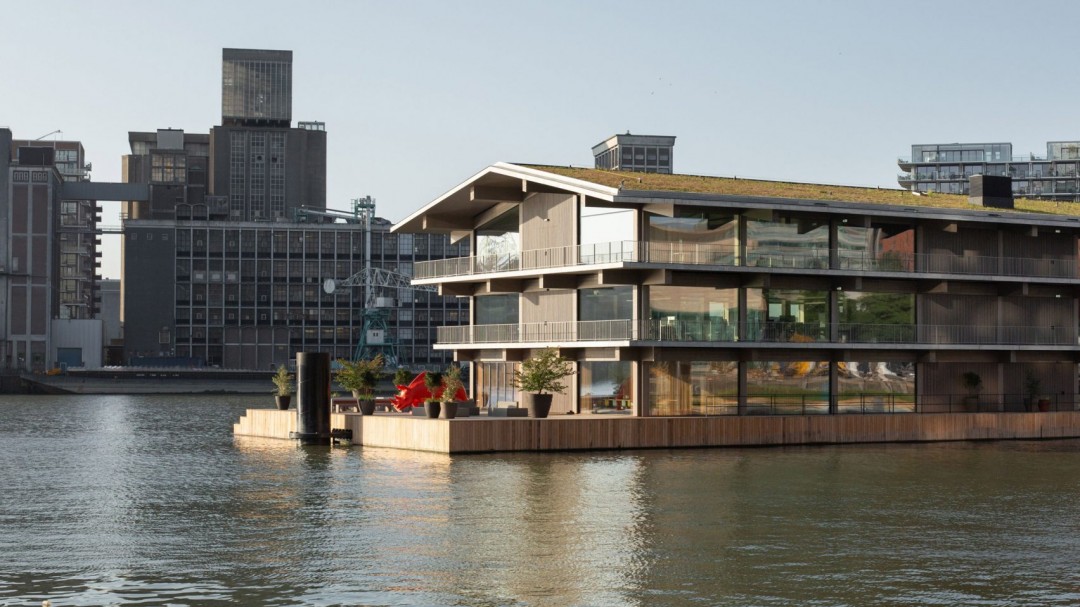
The Floating Office is a three-storey building built on concrete barges that will allow it to float in the Rijnhaven, a former industrial area of the Maas River in Rotterdam. It was designed as the headquarters of the Global Adaptation Center to demonstrate how architectural science can adapt to climate change. If the sea level rises, the Floating Office moves and the building provides its own electricity and water supply. One of the main materials of the Floating Office is cross-laminated timber.
Energy efficiency in construction has received a lot of attention in recent years, largely due to the significant share of buildings in global energy consumption. Falling costs and the need for zero-energy buildings to achieve their goals and more environmentally conscious building owners and occupiers are helping to drive change.
The adoption of more efficient technologies such as heat pumps, advanced ventilation systems and smart building practices is increasingly encouraging green buildings. These technologies are useful for decarbonizing buildings to address climate change. Initiatives such as the Supply Chain Sustainability School are encouraging builders to put sustainability at the heart of their projects. These buildings we examined in our article are successful examples of energy efficiency and the environment for the future.